






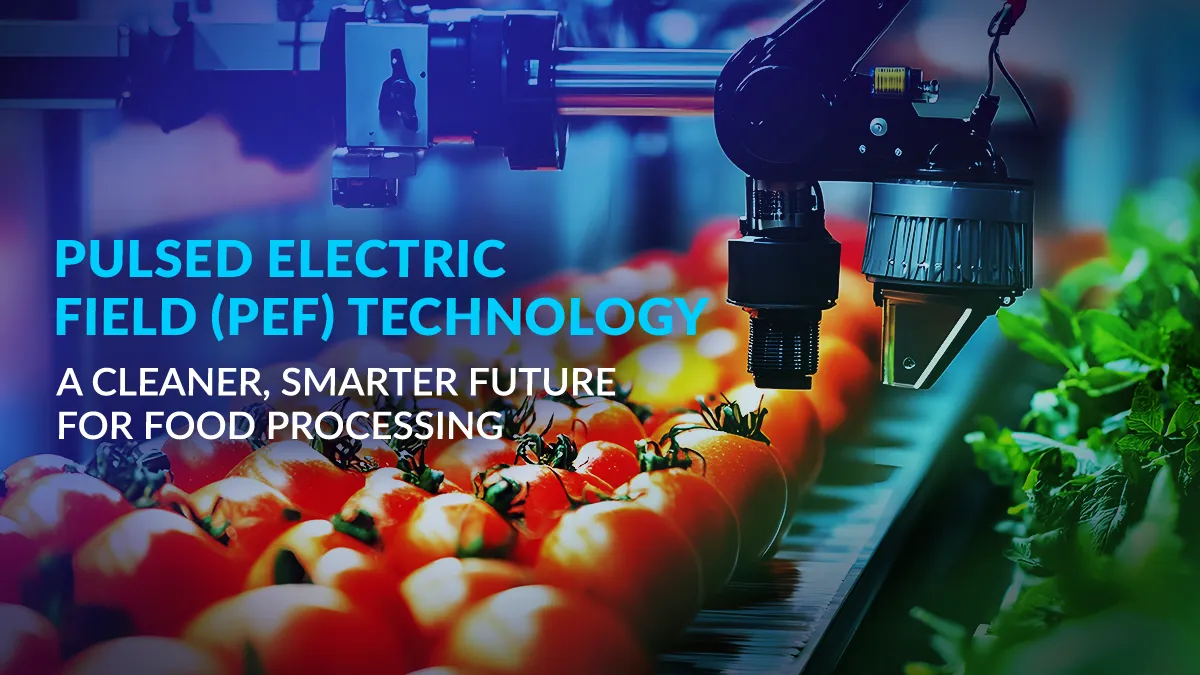
Pulsed Electric Field (PEF) technology is transforming food and flower processing, offering a clean, energy-efficient alternative to traditional heat or chemical-based methods.
In this blog, we look at how getting the power architecture right is crucial for innovators in this space, as the power supplies play a pivotal role in enabling advanced technologies.
Overview
PEF technology enhances food and flower processing by using high voltage bursts instead of heat or chemicals.
Tailored electric pulse parameters can be used to improve food extraction, preservation, and texture.
Generating precise high voltage PEF pulses requires integrated power electronics, custom waveform control, and robust hardware.
XP Power’s engineering support enabled the successful deployment of PEF systems despite demanding electrical conditions.
What is Pulsed Electric Field (PEF) technology?
PEF technology is a non-thermal food processing method that applies short bursts of high voltage to food products. These electric pulses permeabilize cell membranes, enhancing processes such as extraction, preservation, and texture modification without relying on heat or additives.
PEF technology is already used in several innovative ways. It helps extend the shelf life of fresh juices without chemical preservatives and improve oil extraction efficiency in olives. Additionally, by altering cellular structure or molecular composition, PEF makes vegetables like potatoes and carrots easier to cut and can extend the freshness of cut flowers.
Though the concept of PEF is not new, our customer had advanced the science significantly. Their proprietary know-how lies in optimizing the "pulse recipe", which means adjusting the frequency, amplitude, pulse duration, and waveform for different food types. The exact pulse must be tailored not just to a general food category (e.g. juice vs. solid) but also to specific products like olives and potatoes.
High performance requirements for PEF processing
To generate these tailored electric fields, our customer’s system required a high voltage power source with very specific characteristics. The pulse generator must:
Deliver extremely high voltages (up to 12kV)
Handle rapid, dynamic load changes
Recharge capacitor banks between pulses
Support custom waveforms, not just simple square waves
Meeting the power demands of PEF generation
A carefully designed multi-stage power architecture was required to meet the precise demands of pulsed electric field generation. Front-end power supplies first generate an 800VDC bus (±400 V), which is then converted into the required pulsed field by a custom-built power stage developed by a third-party consulting company. This energy is delivered through two copper plates, between which the food product passes, either on conveyor belts or through a pipe, depending on the type of product.
Customer challenges: power supply integration
While the power supply requirement of ±400VDC at 20kW may appear straightforward, the real challenge lay in addressing several key factors.
Dynamic load response: The pulsed nature of the load, driven by capacitor charging and discharging cycles, places intense strain on the supplies.
Reverse voltage spikes: Energy bouncing back from the capacitor bank created voltage kickbacks, leading to stress and early failure in initial units.
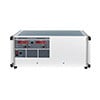
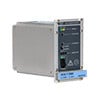
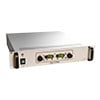
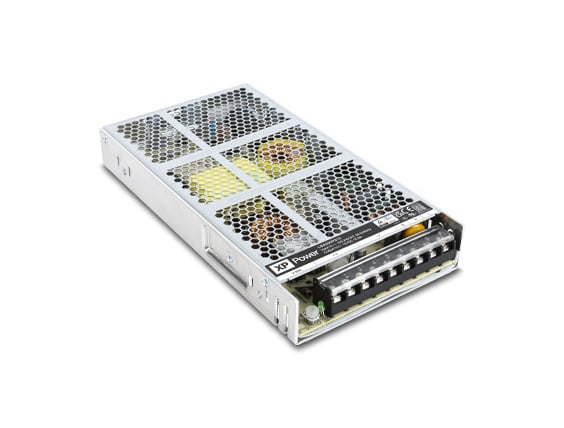
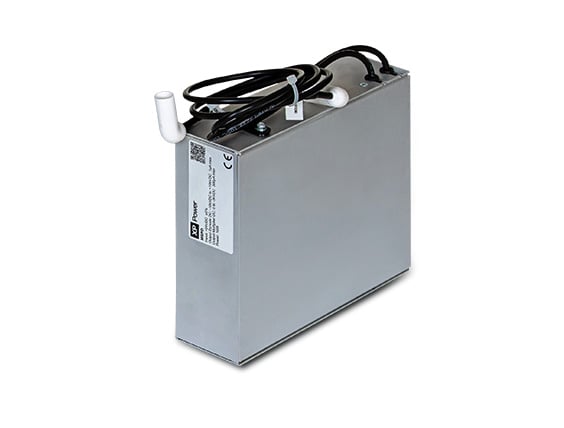
Application-specific needs: Although the XP Power HPT5K0 series offers advanced features such as full isolation and tight regulation, the specific requirements of this application were more focused on delivering reliable high voltage DC under pulsed conditions. Aligning the feature set with the application demands required careful technical and commercial coordination.
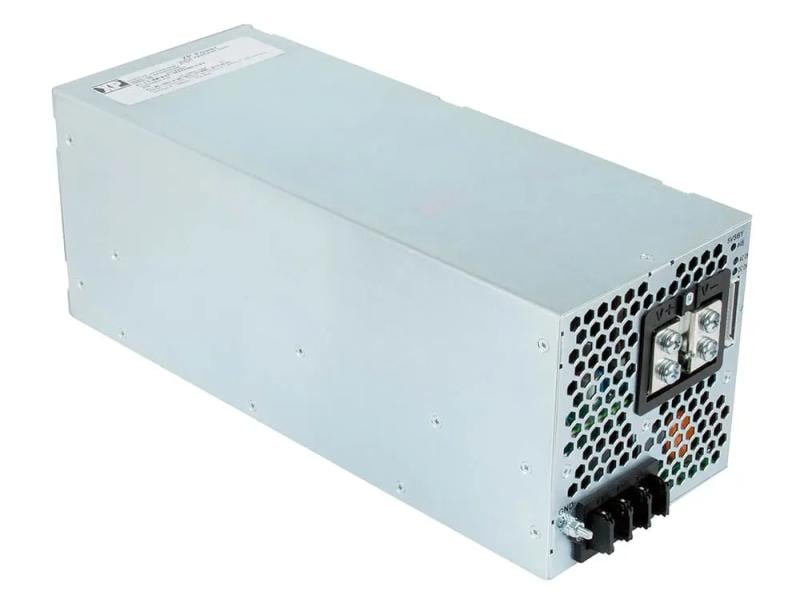
HPT5K0 Series
Deployment and support of XP Power’s HPT5K0 units
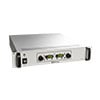
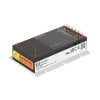
Despite these challenges, our HPT5K0 units were selected and successfully designed in with four units, arranged in two series pairs, providing the dual 400V rails. The robust architecture handled much of the dynamic demand once tuning and protection were addressed.
XP Power supported debugging and on-site integration closely, helping resolve early failures caused by electrical stress conditions.
Lessons learned and future opportunities
This project highlighted several important insights. Even seemingly straightforward DC power stages can encounter complex, dynamic loads in advanced systems. Successful integration depends on close technical collaboration rather than merely following specifications. Most importantly, XP Power’s hardware played a critical role in accelerating the time to market for the customer, demonstrating the real-world impact of a reliable, high performance power solution.
Our customer's innovation journey from working with olives to juice, potatoes, and flowers illustrates the flexibility of PEF technology. As they scale up toward 30–40kW and beyond, we see clear opportunities to support them with higher power, custom solutions, potentially including the pulsed power stage itself.
Discover how the HPTK50 series simplifies complex integration, delivering a precise, efficient and reliable solution for your needs.

Shravan Govindaraj
Shravan Govindaraj is XP Power’s Senior Product Marketing Manager. He has over 8 years of experience in product marketing and technical scales across multiple industries including power supplies, electric motors and HVAC. Shravan joined XP Power in 2022 to develop and implement go-to-market strategies for all XP Power products.


