





We sat down with our Director of Product Marketing and high voltage product lead, Hafiz Khalid, to understand why powering ion implantation systems is one of the toughest challenges in semiconductor manufacturing.
These systems, which are critical for doping silicon wafers, demand extremely stable high voltage power. But today’s fabs expect more than just stability: they need precision down to fractions of a percent, scalability for higher throughput, and seamless integration with automated processes. Hafiz reveals the limitations of conventional analog solutions and explains why a complete rethink of traditional power supply design is needed.
Why are ion implantation systems so critical in semiconductor manufacturing?
Hafiz: Ion implantation is really at the core of how the electrical properties of chips are set. Basically, the ion implant system generates ions, speeds them up to very high energies, and then places them exactly where they need to go on the wafer. That level of precision is what makes sure the doping is spot on, which directly affects how well the device performs and its yield. And to keep that precision, you absolutely need reliable high voltage power systems.
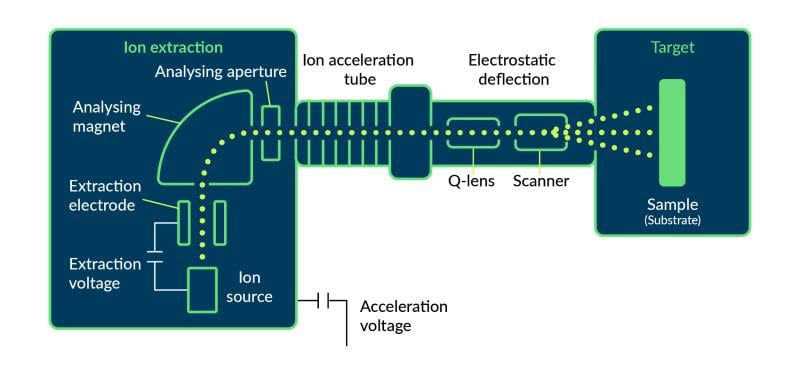
The fundamental operating elements of ion implantation equipment
What challenges do traditional high voltage power supplies present in these systems?
Hafiz: Cleanroom space is limited and expensive, and the ion implantation systems themselves require multiple high voltage modules. The problem is that traditional analog designs take up significant rack space, and this makes scalability difficult. Precision and stability are also critical because voltage ripple or instability can degrade ion beam quality and reduce wafer yield.
However, analog power supplies by definition don’t have the digital architecture or digital interface you need for real-time monitoring or automation. That slows integration and opens the door to human error. They also usually only allow reactive troubleshooting, so when something goes wrong, you’re stuck with downtime which is extremely expensive in a fab.
Why can’t analog systems keep up with today’s semiconductor demands?
Hafiz: In the past, engineers had to be creative to work around the limitations of analog systems. They’d either add external hardware for monitoring and control or using analog-to-digital converters to integrate legacy supplies into automated environments. These workarounds increased complexity, cost, and delays and maintaining these hybrid setups was also challenging. Now that chips are smaller and throughput demands are way higher, those inefficiencies just don’t fly anymore!
How does XP Power’s WBQ series address these challenges?
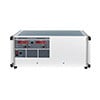
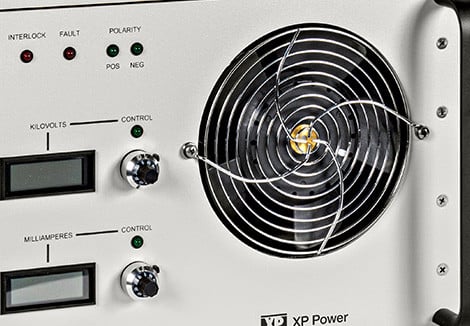
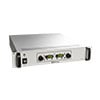
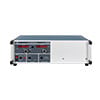
Hafiz: The WBQ series takes high voltage power to the next level with a fully digital design. It packs up to 100 kV and 10kW into a compact 3U rack, and if you need more, you can easily run multiple units in parallel to go beyond 10kW without taking up to much extra space. The digital control system gives you very precise voltage, current and feature settings and makes it easy to adapt as your process changes.
I'm excited about the built-in diagnostics and event logging in the WBQ series which provides visibility into what’s happening, so you can spot issues early and fix them fast. Integration is really straightforward with both digital and analog interfaces, and firmware updates can be done in the field with no downtime needed.
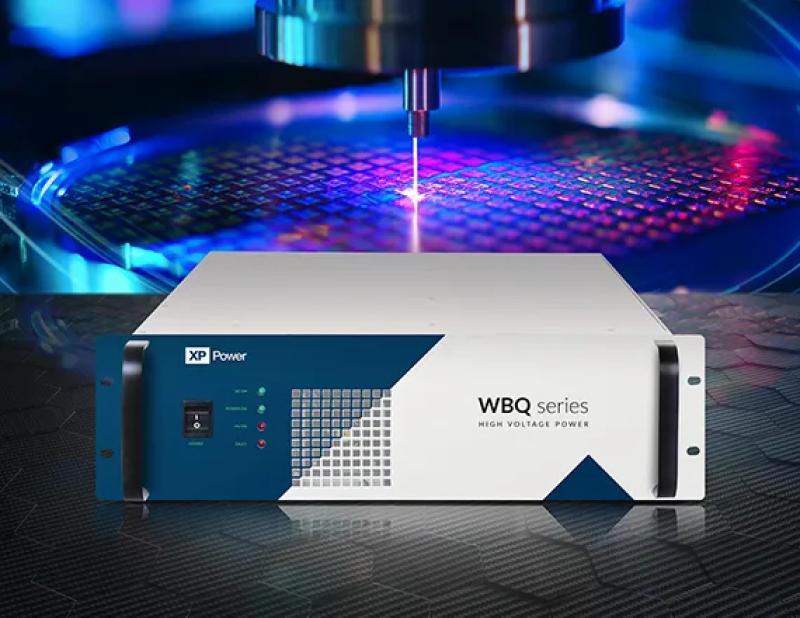
The digital features of XP Power’s WBQ series enable better control and easier configuration
What impact does this have on ion implantation performance?
Hafiz: The WBQ series keeps ripple and regulation specs as low as 0.01% so your ion beam stays stable and wafer yield improves. You can monitor and control everything remotely, which makes automation easier and cuts down on mistakes. Since you don’t need extra hardware, development is faster, so you save valuable rack space. It really is a reliable, scalable solution built for next-gen manufacturing and the predictive maintenance helps you keep the fab running smoothly.
In summary, why is digital high voltage power the future for semiconductor fabs?
Hafiz: High voltage systems are the backbone of ion implantation and, by extension, the entire semiconductor manufacturing process. As fabs push for more performance and tighter specs, analog solutions just can’t deliver the precision, density, and intelligence that’s needed without a lot of extra effort. That’s why we built the WBQ series: it’s compact, fully digital, and packed with advanced diagnostics. It helps manufacturers scale without the usual headaches so they hit their productivity goals faster.
Find out about the WBQ series which provides fully digital high voltage power at 15kV - 100kV for ion implantation and semifab applications.

Rachel Sandeman
Rachel joined XP Power in 2022 as a Content Specialist. She brings more than 16 years of PR and marketing experience promoting engineering and technology companies, and building strong relationships with industry editors and media partners.


