
WBQ series
15kV-100kV output voltages and 10kW output power
Parallelable up to 100kW+
Digital loop, fully adjustable outputs and UI for easy configuration
Analog and digital control via CAN, (EtherCAT optional)
 EN



Flexible power for evolving systems
As modern electronic systems become more sophisticated, engineers increasingly require power supplies that can be adjusted, optimized, and controlled throughout the life of the product.
Our programmable power supplies combine efficient power conversion with flexible output control, remote programming and advanced system integration. Designed for medical, semiconductor and industrial applications, they accelerate development and maximize system performance.
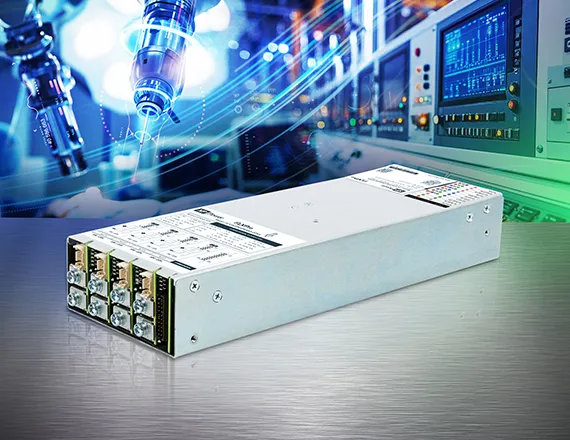
When your power supply needs to adapt with your system
Many applications demand more than fixed-output power. Engineers often need to adjust output voltages and currents during development, calibration, production, or normal operation without changing hardware.
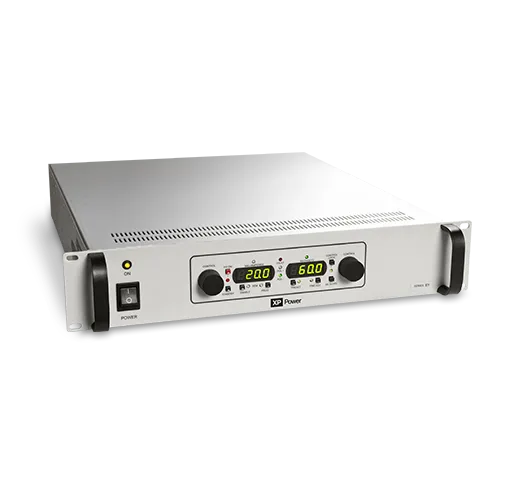
Programmable power supplies like the FLXPro series allow designers to configure operating parameters, optimize performance for different operating modes, and remotely control power delivery through digital interfaces. This flexibility reduces development time, simplifies product variants, and enables intelligent system control across a wide range of applications.

Why choose a programmable power supply
Programmable power supplies give engineers the flexibility to optimize system performance throughout development, production, and operation. Key benefits include:
Adjustable output voltage and current through digital control
Remote programming and system integration
Simplified product configuration and reduced hardware variants
Improved efficiency across multiple operating conditions
Faster product development and production testing
Greater flexibility for changing application requirements
Our range of industry-leading programmable power solutions provide unrivaled flexibility, control and precision across semiconductor manufacturing, medical, and industrial applications.
Speak to our team for technical guidance, application support, product samples, and the latest pricing information.
15kV-100kV output voltages and 10kW output power
Parallelable up to 100kW+
Digital loop, fully adjustable outputs and UI for easy configuration
Analog and digital control via CAN, (EtherCAT optional)

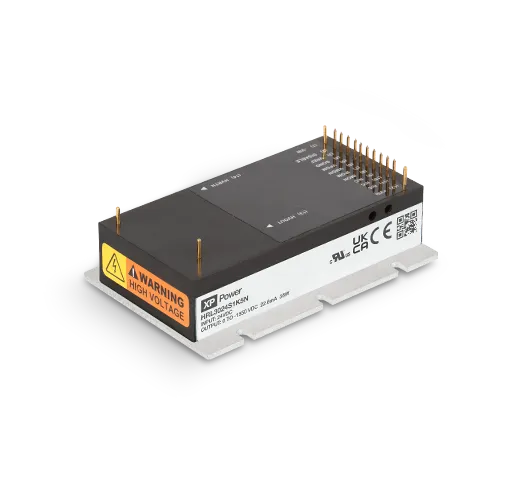
Output voltages up to 6kV
+24VDC input (22-30V)
Compact 76.2 x 38.1 x 18.6mm package
10-100% programmable output voltage and current
Voltage and current monitor outputs
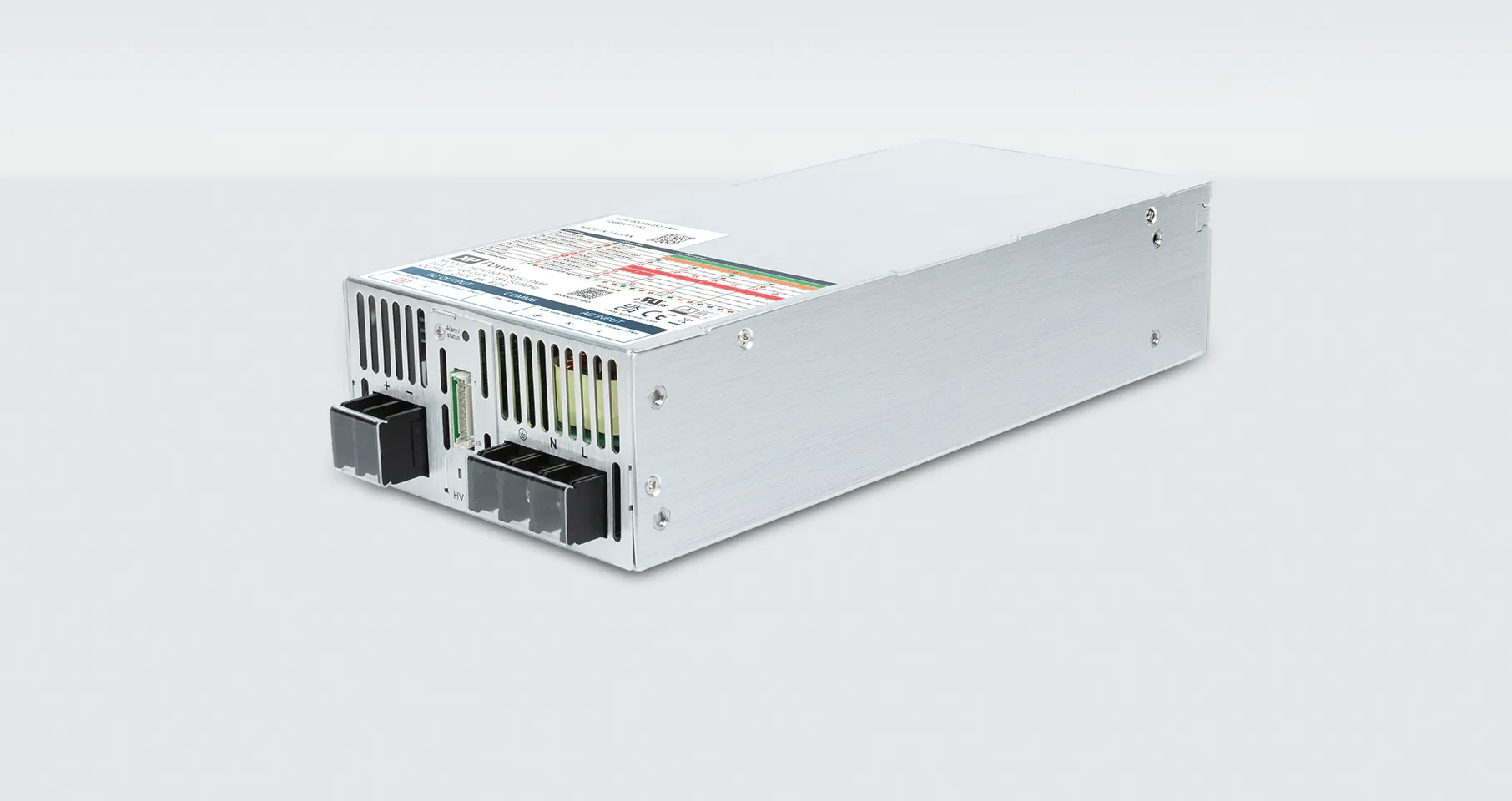
Output voltages from 12V to 400VDC
Single phase input 90 to 264VDC
0-105% programmable output voltage & current
Digital comms – PMBus, MODBUS, RS485 & ethernet
High efficiency – up to 93%
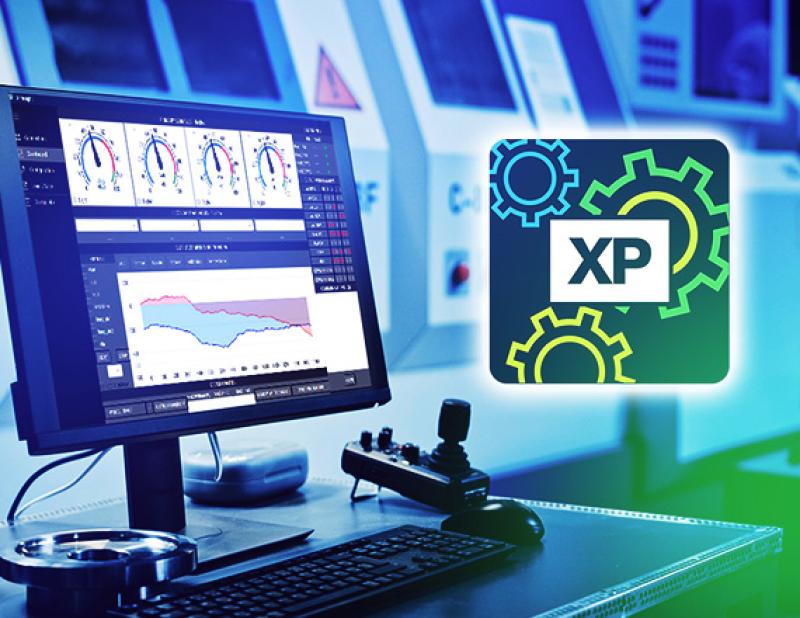
XPInsight streamlines product development, testing, and support with powerful diagnostics and a secure, intuitive interface. Its comprehensive dashboard offers real-time control, monitoring, graphing, and datalogging to accelerate decision-making.

Programmable power supplies give engineers precise control over output voltage and current, enabling flexible system configuration, easier testing and optimization, and integration with automated systems.
You need to determine the required output voltage, current and power range, as well as regulation, accuracy and response time. Communication interfaces, programming capabilities, protection features, efficiency, cooling method and physical size should also be considered to ensure the power supply meets both current and future application requirements.
Programmable power supplies allow output voltage and current to be adjusted through digital interfaces rather than hardware modifications. This enables a single power supply platform to support multiple product variants, simplifies system configuration, and reduces inventory complexity.
There are many! Programmable power supplies can be controlled remotely by system controllers, allowing automatic adjustment of operating parameters, improved process control, faster product testing, and easier integration into intelligent manufacturing and industrial automation systems.
Yes. Programmable power supplies are designed to integrate into existing systems through interfaces such as LAN, USB, RS-232, RS-485, CAN or analogue control. This allows engineers to remotely configure outputs, monitor performance and automate power sequencing without significant changes to the wider system.